

What is Rosacea?
Rosacea is a chronic inflammatory skin condition that causes persistent redness, visible blood vessels, and acne-like breakouts, most commonly affecting the cheeks, nose, forehead, and chin. While it may initially appear as mild flushing or sensitivity, rosacea can gradually worsen over time if left untreated. Many patients mistake rosacea for acne or simple skin irritation, which often delays proper diagnosis and care.
This condition most commonly affects adults between the ages of 30 and 50, particularly those with fair skin, but it can occur in individuals of all skin types. Triggers such as heat, stress, alcohol, spicy foods, and sun exposure can lead to flare-ups, making symptoms unpredictable and frustrating to manage without professional guidance.
At City Dermatology, serving Bensalem and Warminster, Pennsylvania, our board-certified dermatologists specialize in identifying and treating rosacea at every stage. Our goal is to reduce redness, control inflammation, and help you regain confidence in your skin with personalized, evidence-based care.
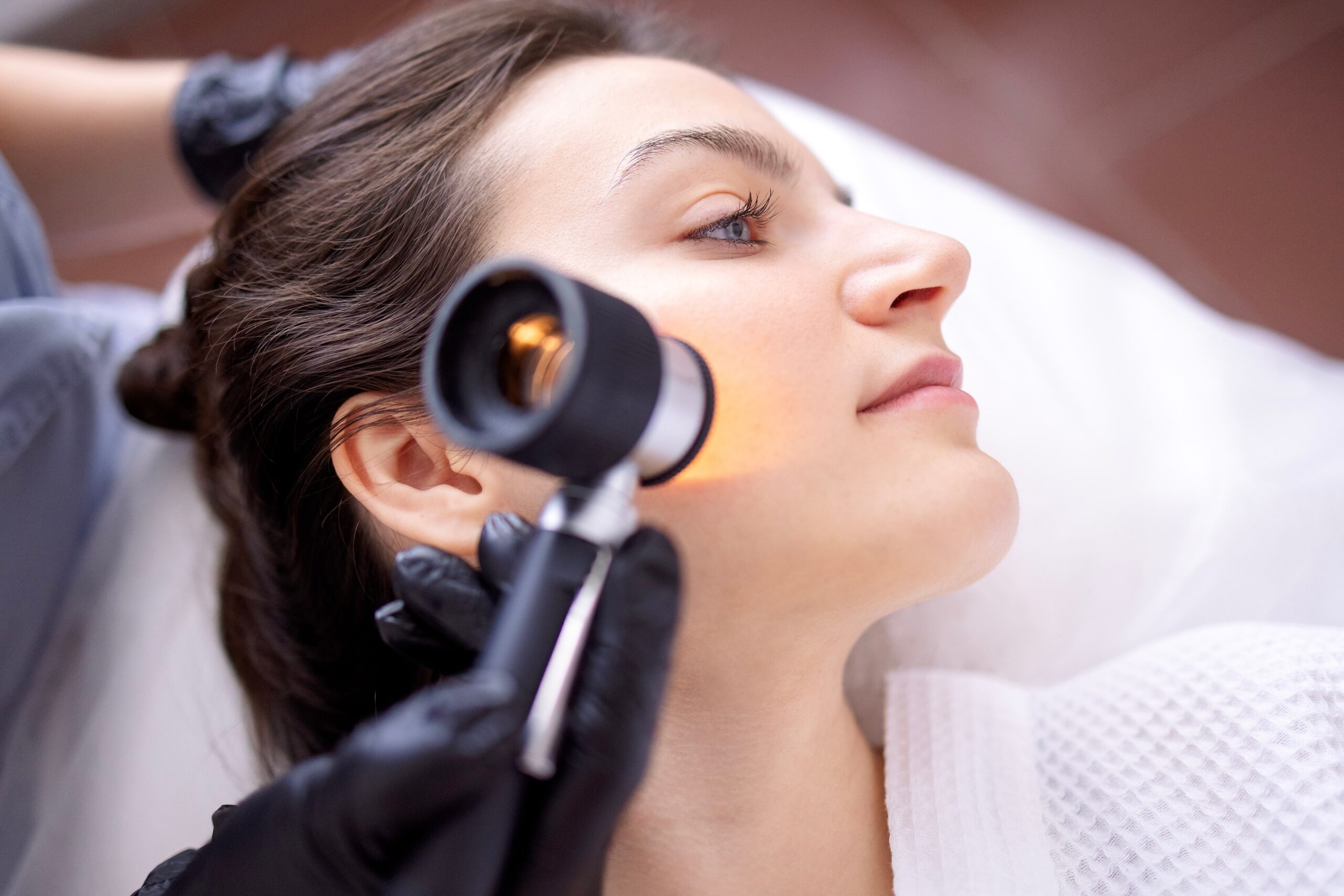
Common Rosacea Symptoms Found in Bensalem & Warminster Patients
Rosacea presents differently for each patient, but common symptoms include:
- Persistent facial redness or flushing
- Visible blood vessels (broken capillaries)
- Small red bumps or acne-like breakouts
- Burning, stinging, or skin sensitivity
- Swelling or thickened skin (in advanced cases)
- Eye irritation, dryness, or redness (ocular rosacea)
Because symptoms can come and go, many people delay seeking treatment. However, early intervention can prevent progression and minimize long-term skin damage.
Advanced Rosacea Treatment Options in Bensalem & Warminster
At City Dermatology, we offer a comprehensive range of treatments tailored to your specific symptoms and skin type.
Topical Treatments
Prescription creams and gels such as metronidazole, azelaic acid, and ivermectin help reduce inflammation and calm irritated skin. Vasoconstrictors like brimonidine or oxymetazoline can temporarily reduce visible redness by narrowing blood vessels.
Oral Medications
For more persistent or severe rosacea, low-dose oral antibiotics like doxycycline may be recommended to control inflammation and prevent flare-ups.
Laser & Light-Based Treatments
Advanced therapies such as Intense Pulsed Light (IPL) and Pulsed Dye Laser (PDL) effectively target visible blood vessels and redness, improving overall skin tone and clarity.
Lifestyle & Skincare Guidance
We also provide personalized recommendations for gentle skincare routines, trigger avoidance, and daily sun protection to help maintain long-term results and prevent flare-ups.
Why Early Treatment Matters
Rosacea is a progressive condition, meaning symptoms can worsen without proper care. Early diagnosis and treatment can:
- Prevent long-term redness and skin thickening
- Reduce the frequency and severity of flare-ups
- Improve overall skin appearance and comfort
- Minimize the need for more aggressive treatments later
Our team takes a proactive approach, focusing on both symptom relief and long-term management to help you maintain healthier skin.
Personalized Dermatology Care in Bensalem & Warminster
Our dermatologists proudly serve patients across Bucks County and Northeast Philadelphia, providing accessible, high-quality dermatologic care close to home. Whether you’re experiencing mild redness or more advanced symptoms, our team is here to help you find effective solutions tailored to your needs.
Rosacea Frequently Asked Questions (FAQ)
The exact cause of rosacea is not fully understood, but it is believed to involve a combination of genetic, environmental, and immune system factors. Common triggers include sun exposure, stress, heat, alcohol, and certain foods.
No. While rosacea can cause acne-like bumps, it is a different condition that requires specialized treatment. Using acne products can sometimes worsen rosacea symptoms.
There is no permanent cure for rosacea, but it can be effectively managed with the right treatment plan. Many patients achieve long-term control of symptoms with consistent care.
Results vary depending on the severity of the condition and treatment type. Some patients see improvement within a few weeks, while others may require ongoing management for optimal results.
Yes. Laser and light-based therapies like IPL and PDL are safe and effective when performed by experienced dermatology professionals. These treatments can significantly reduce redness and visible blood vessels.
Proudly Serving Patients Across Bucks County Townships & Northeast Philadelphia
Bucks County
Bensalem, Bristol, Feasterville, Langhorne, Southampton, Levittown, Morrisville, Falls Township, Middletown Township
Northeast Philadelphia
19154, 19114, 19115, 19116, 19136, 19152, 19111, 19149
Warminster Region
Warminster, Warrington, Warwick, Doylestown, Buckingham, Hatboro-Horsham, Abington, New Britain, Upper & Lower Moreland
References
- Zaenglein, A. L., Pathy, A. L., Schlosser, B. J., Alikhan, A., Baldwin, H. E., Berson, D. S., … & Thiboutot, D. M. (2016). Guidelines of care for the management of acne vulgaris. Journal of the American Academy of Dermatology, 74(5), 945-973.
- Lucky, A. W., Biro, F. M., Huster, G. A., Leach, A. D., Morrison, J. A., & Ratterman, J. (1997). Acne vulgaris in premenarchal girls. Archives of Dermatology, 133(8), 1041-1044.
- Layton, A. M. (2009). The use of isotretinoin in acne. Dermato-endocrinology, 1(3), 162-169.
- Hebert, A. A., Thiboutot, D. M., Stein Gold, L. F., Webster, G. F., & Leyden, J. J. (2020). Efficacy and safety of topical minocycline foam for moderate-to-severe acne vulgaris: A randomized, double-blind, vehicle-controlled study. Journal of the American Academy of Dermatology, 82(3), 832-835.
- Gold, M. H., Andriessen, A., Biron, J. A., & Garassino, M. C. (2016). Light-based therapies in the treatment of acne vulgaris. Dermatologic Surgery, 42(3), 349-357.
- Shah, S. K., Alexis, A. F., & Resh, W. (2017). Topical dapsone in acne: Overview and safety profile. Journal of Clinical and Aesthetic Dermatology, 10(1), 34.
- Fabbrocini, G., Annunziata, M. C., D’Arco, V., De Vita, V., Lodi, G., Mauriello, M. C., … & Monfrecola, G. (2009). Acne scars: Pathogenesis, classification and treatment. Dermatology Research and Practice, 2009.